Rigging & simulation / agents, retrieval & local AI
Character systems
and AI systems,
in production.
Two practices, both current. Character rigs, simulation and artist pipelines for film, cinematics and avatars. Agent, retrieval and generative systems that run on my own GPU, each with its test results published.
Blizzard reel
Rig/Sim show lead, overseeing 10+ riggers: character rigs, facial, muscle, cloth and hair, my team's and mine. Each simulation was scoped with the people who needed it before it was built, then tuned pass by pass.
- After the cut, as Rig/Sim Lead
- Overwatch 2: “Calling”, the Sojourn animated short Diablo IV: official release date trailer
Index / 01 to 09
Nine systems, nine case studies.
Retrieval, generation, agents, infrastructure, and one Unreal Engine tool, from a knowledge server measured in VRAM against score to an agent that finishes 1980s adventure games on its own. Each case study says how the thing works and how it was tested.
Retrieval and generative Two systems
Agents Three systems
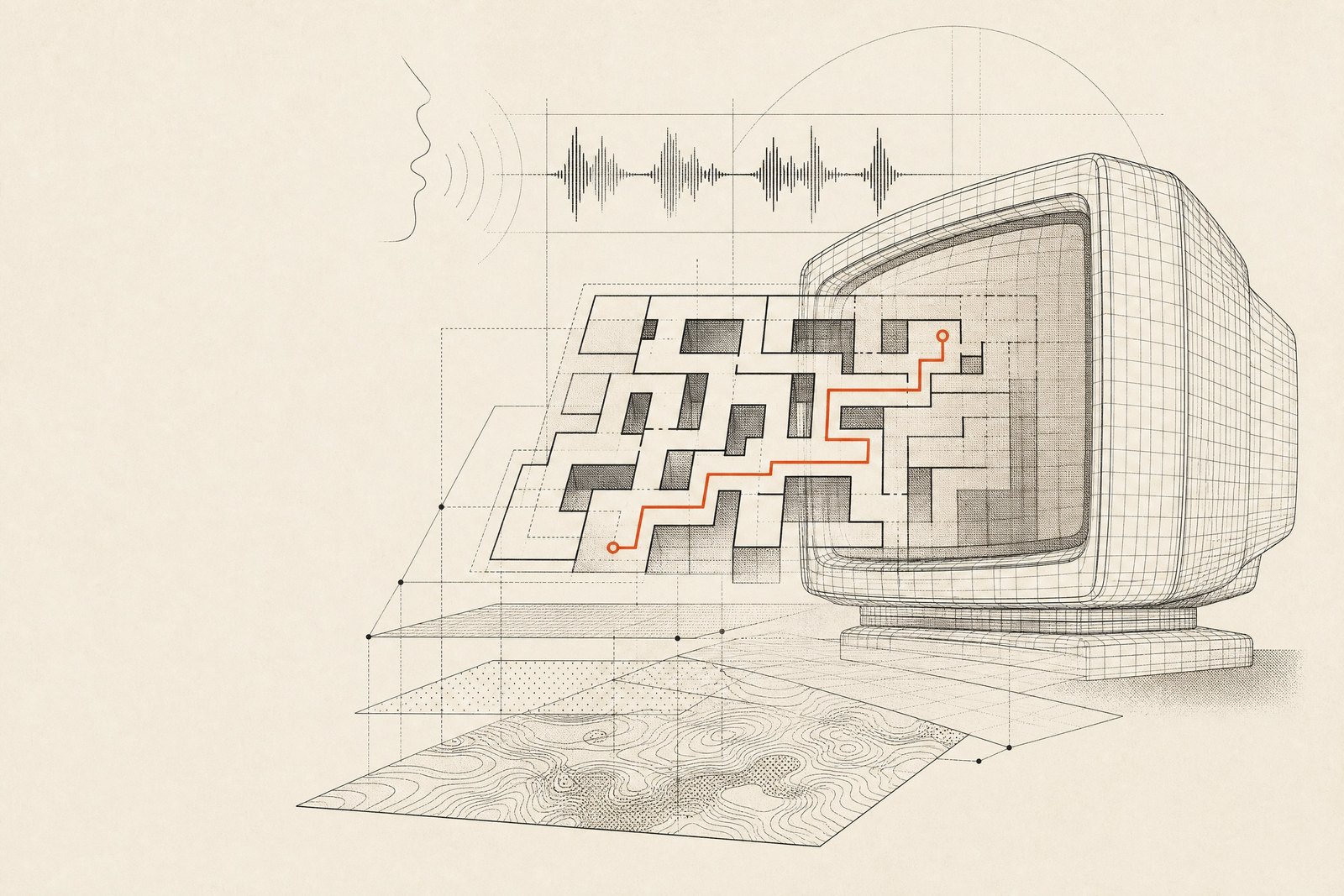 Voice and text game control · Research buildAdventure game controlAn agent plays 1980s adventure games through C++ interpreters that rebuild their engines. Left alone, it finishes them: 159 / 159.
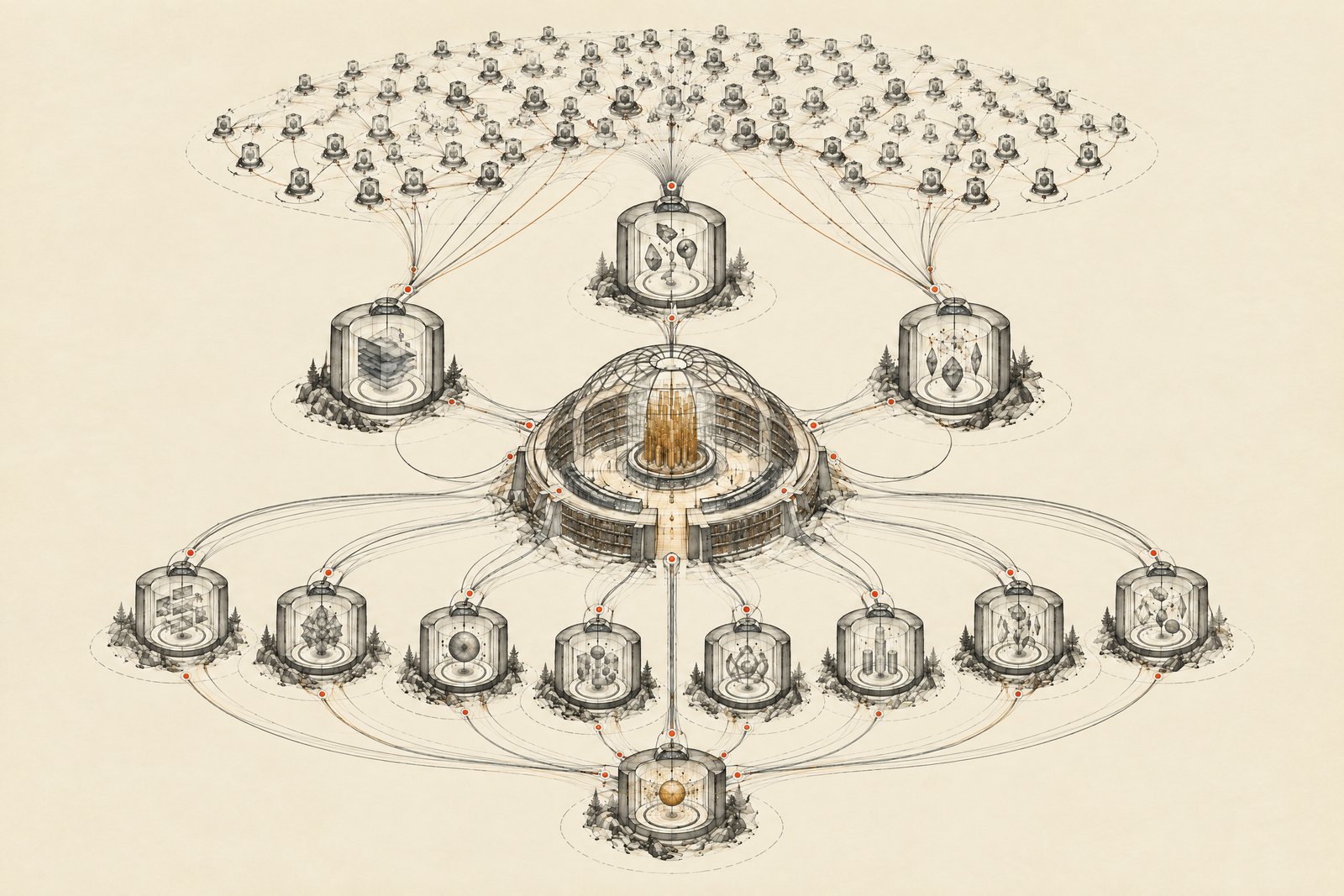 AI research · Research buildClaude OracleOne question out to chains of ten scouts. Each chain's summariser reads only its own chain, enforced in code.
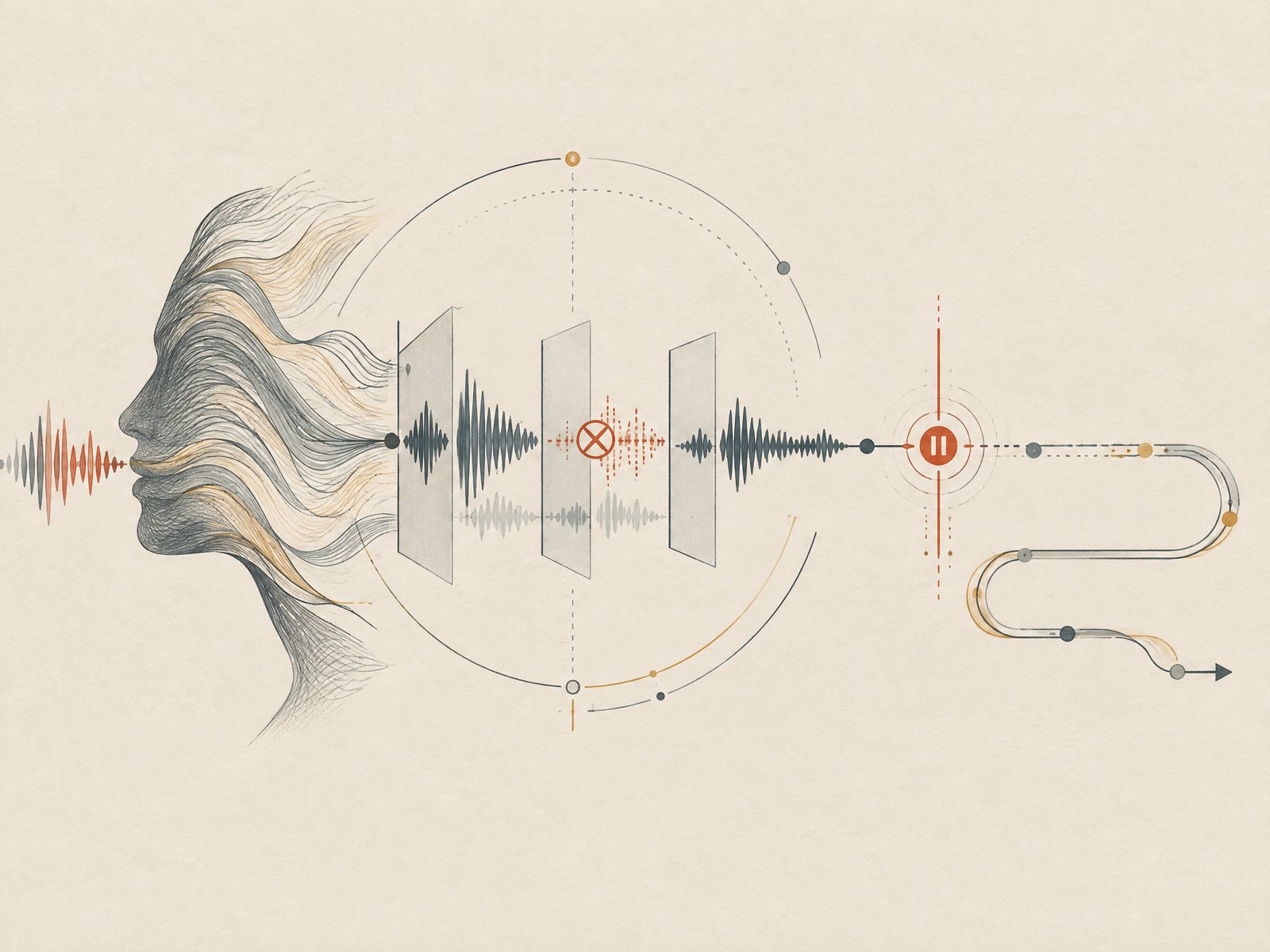 Voice assistant · Research buildHermes RealtimeA voice assistant you can interrupt. Speech and tasks cancel separately, so cutting off a sentence stops the sentence, not the work.
Infrastructure and tools Three systems
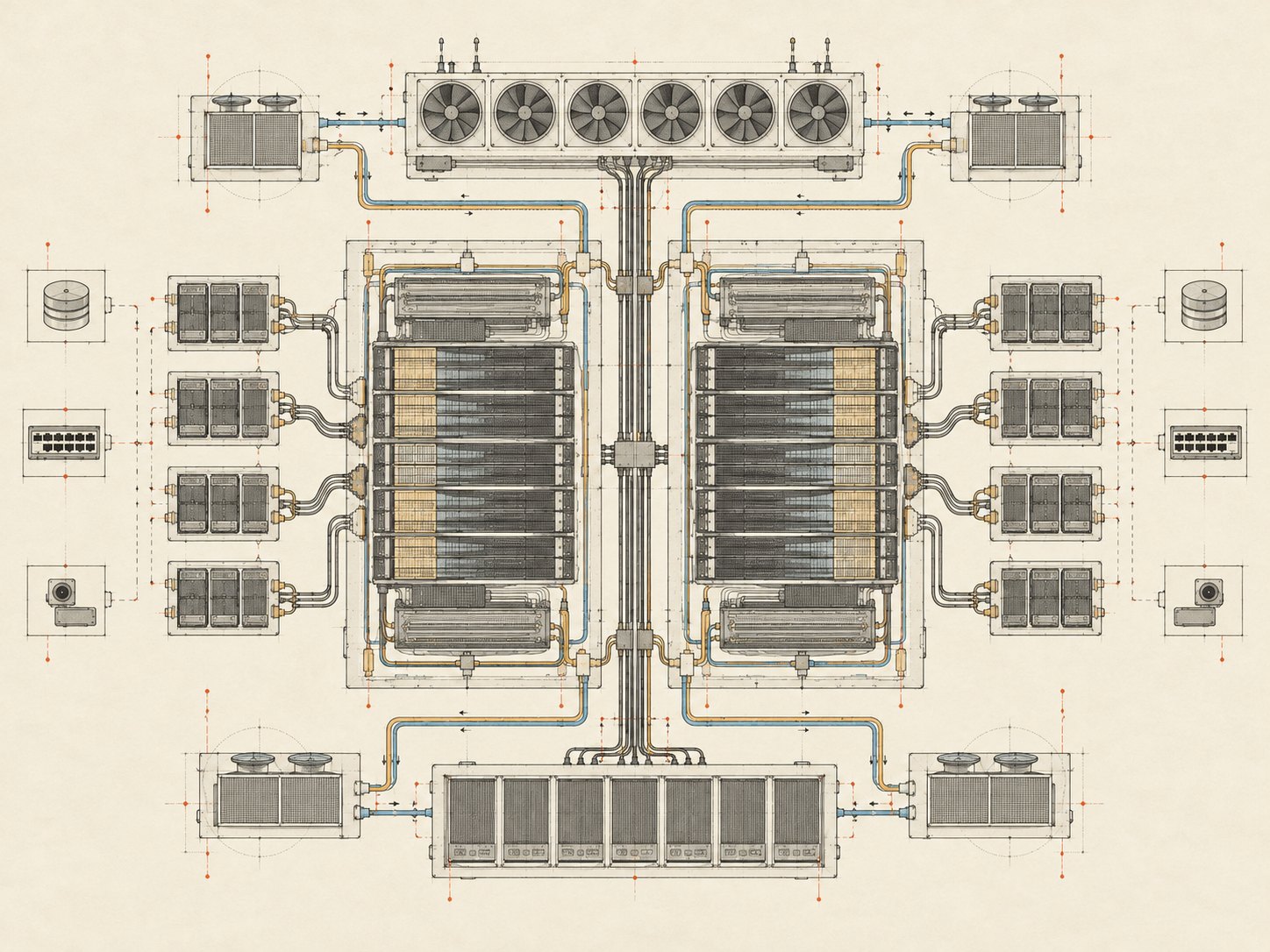 GPU sharing and model review · In daily useOne GPU, many agentsTwo servers that let agents share one machine: VRAM arbitration, and one model's work handed to a second model for review.
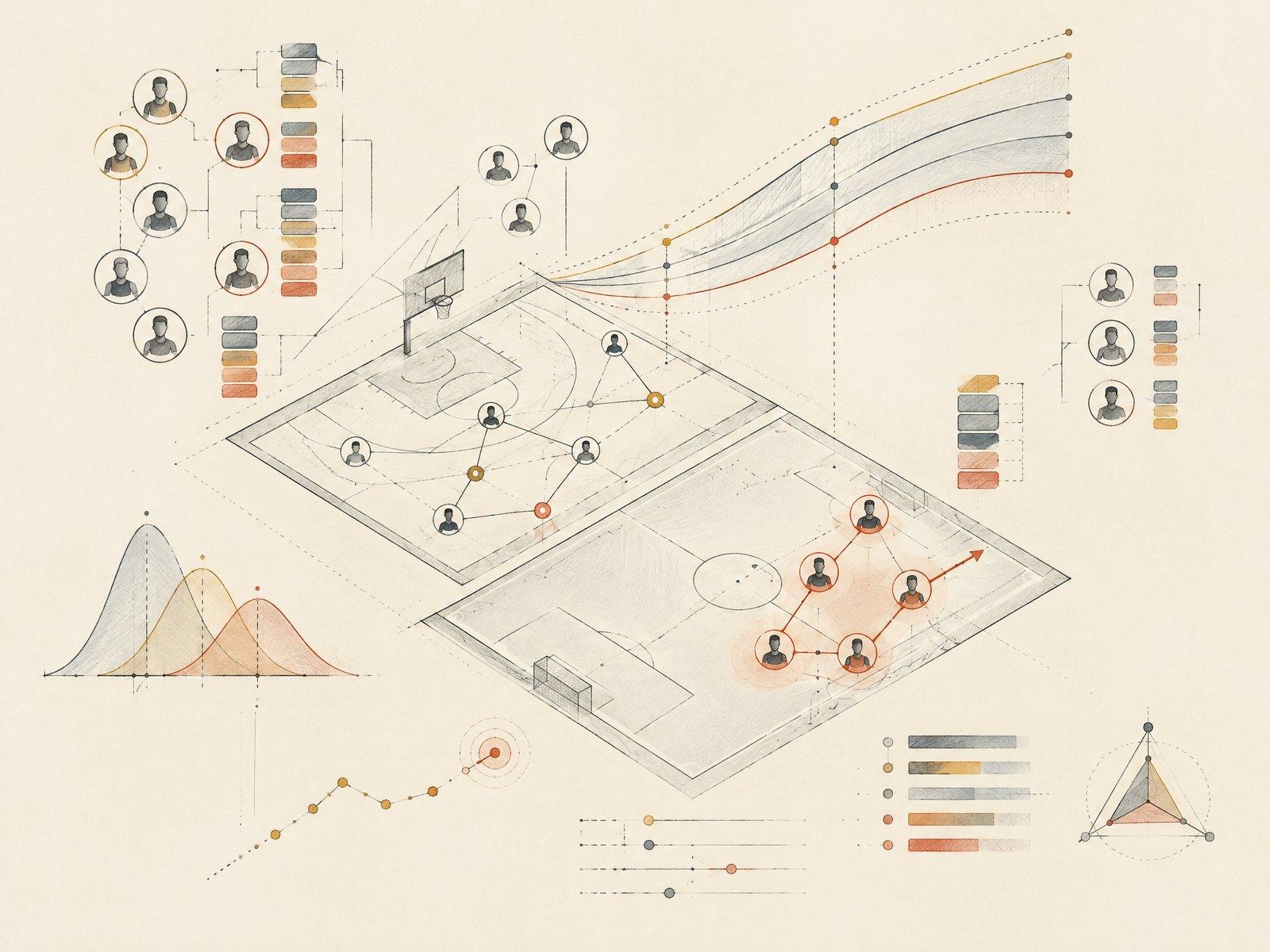 Forecasts and lineups · Research buildSports forecastingModels trained on seven million rows forecast each player's range; a MILP solver builds the lineup. Backtested over 552 nights.
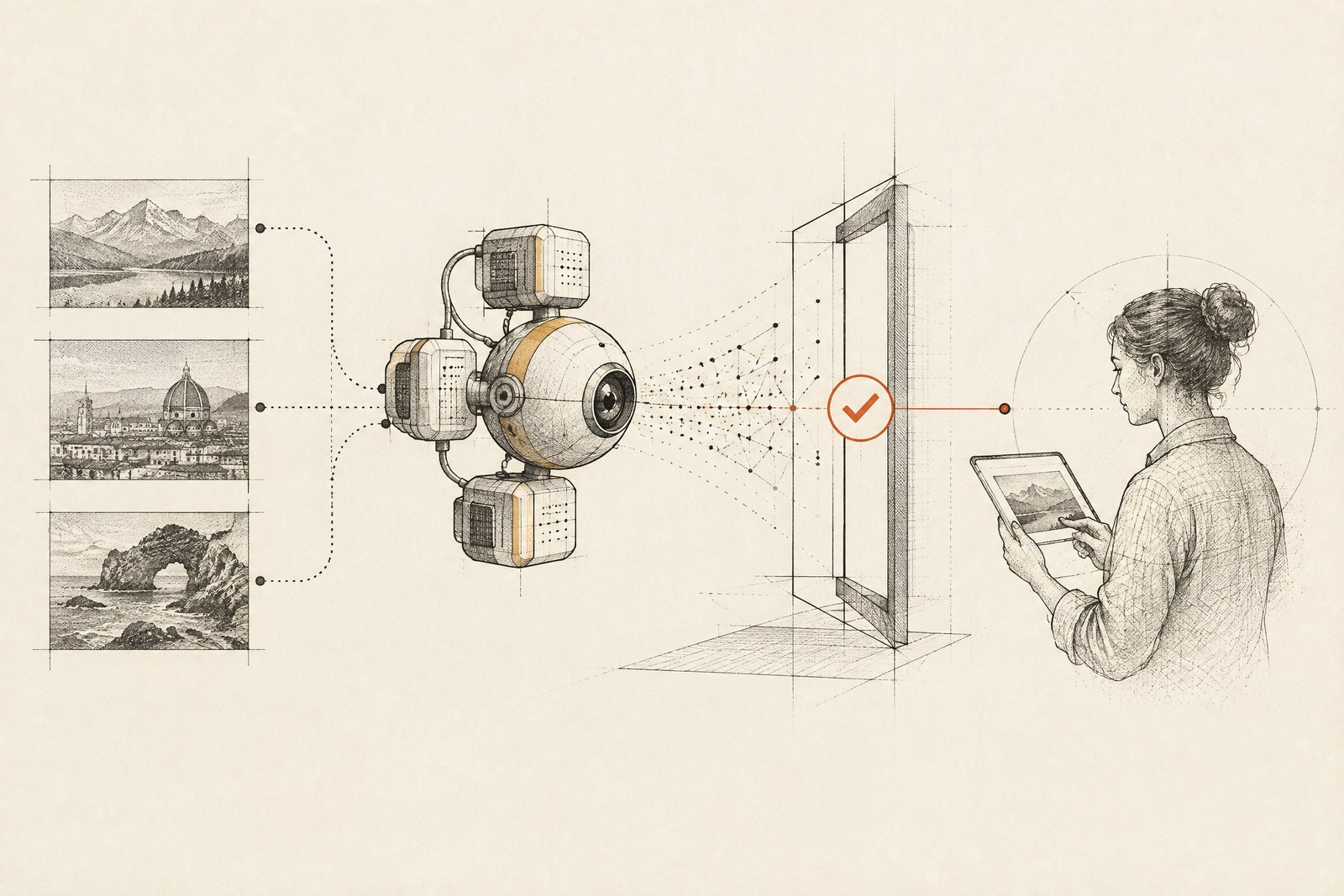 Photo publishing · Livegray.botA photo blog that screens images by their pixel statistics and drafts each post with a language model. A person approves every post.
Character tools Unreal Engine
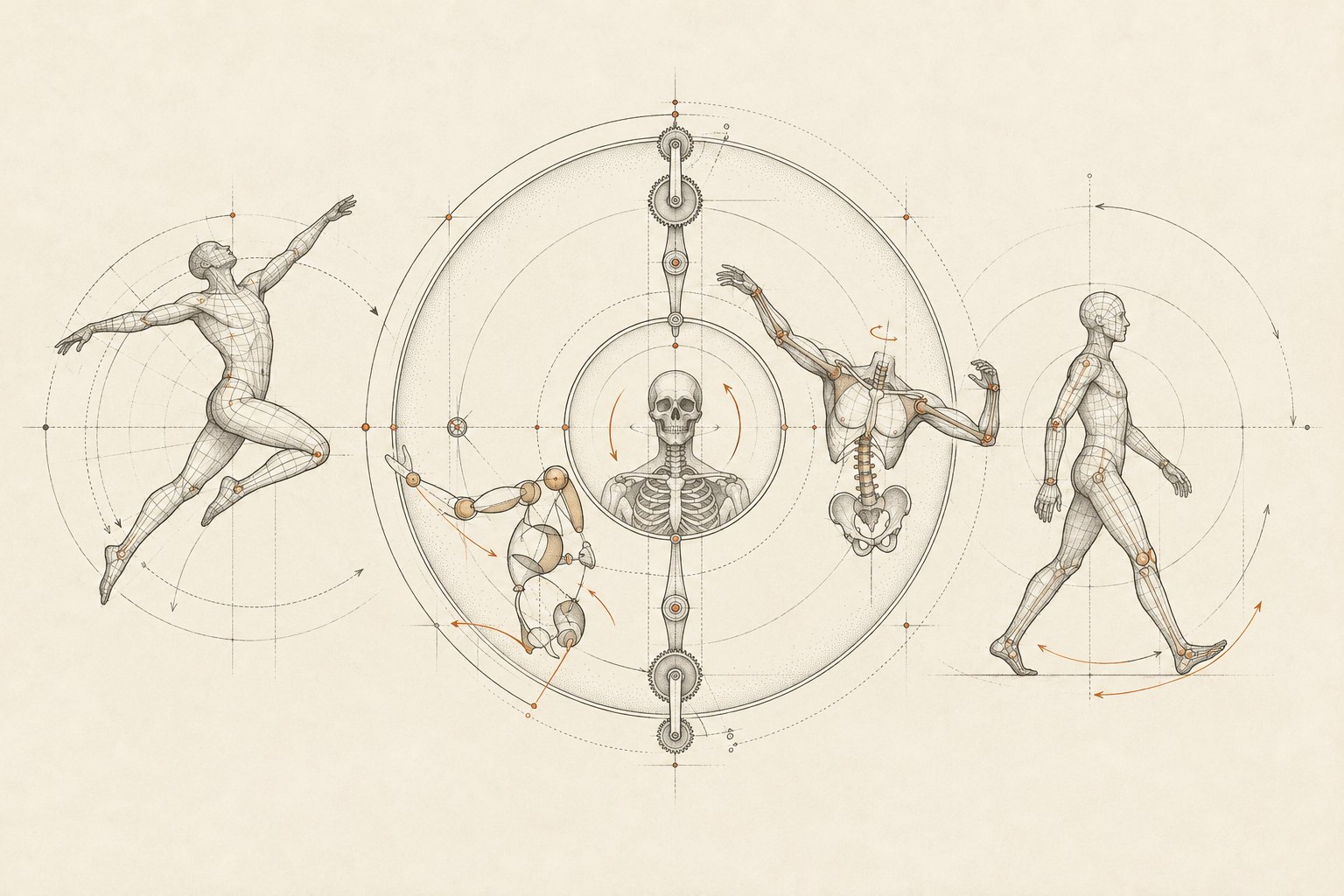
Film VFX / 2002 to 2015 / DreamWorks Animation · ESC Entertainment · Rhythm & Hues
Thirteen feature films.
Character FX Lead at DreamWorks for a team of 25+, with hands-on cloth, hair and skin on hero characters across eight of them. Digital-human facial work on The Matrix sequels at ESC for Warner Bros.
Visual effectsESC Entertainment · Rhythm & Hues · 2002 to 2005
- 2003The Matrix Reloaded
- 2003The Matrix Revolutions
- 2004Catwoman
- 2004The Ladykillers
- 2005The Chronicles of Narnia: The Lion, the Witch and the Wardrobe
Feature animationDreamWorks Animation · 2005 to 2015
- 2006Over the Hedge
- 2007Bee Movie
- 2008Kung Fu Panda
- 2010How to Train Your Dragon
- 2011Puss in Boots
- 2013Turbo
- 2014Penguins of Madagascar
- 2015Home
2000 to present
25 years building character systems.
-
Toolset
Maya · Houdini · Unreal
Python · C++ · OpenUSD
- Python throughout; C++ for the Unreal plugin, interpreters, USD
-
2022–2026
Senior Technical Artist, GenAI & Avatars
Meta Reality Labs
- Hair technical lead: universal hair rig and Maya pipeline
- Auto-rigging, autofit, skinning, blendshapes, parametric body
- Clothing rig, deformation and garment fitting
- Research agent shared company-wide, 50+ users
-
2015–2022
Rigging & Simulation Lead
Blizzard Entertainment
- Rig/Sim show lead, 10+ riggers, every franchise
- Overwatch 2 Sojourn cinematic, Diablo IV release trailer
- Stitches build system: Nucleus sim framework, core modules
-
2005–2015
Character FX Lead / Senior Simulation Developer
DreamWorks Animation
- Character FX lead for a team of 25+
- Cloth, hair and skin on hero characters, eight features
- Universal skin collision solver; Puss in Boots feather rigs
- Rod and curve solvers with R&D; curve solver at SIGGRAPH
-
2002–2005
Facial & Crowd Systems
ESC Entertainment · Rhythm & Hues
- Universal Capture core contributor; VES 2004, Sci-Tech 2015
- Superpunch sketch author; Electronic Theater, SIGGRAPH 2004
- Autonomous crowd characters, The Chronicles of Narnia
-
1996–2001
UCLA · Gnomon · Activision
B.A. Film & TV, Honors · Game Artist